NST research

How sleep affects training, recovery, and progress

Under sleeping quietly costs training capacity, makes hard efforts feel harder, and is linked with higher injury and illness rates. The fixes, a consistent schedule, a wind down, a dark cool room, watching evening caffeine, are cheap and low risk.
Research-basedReviewed by Gabriel SilvaLast verified 12 September 2026Next review due 14 March 2027Report a correction
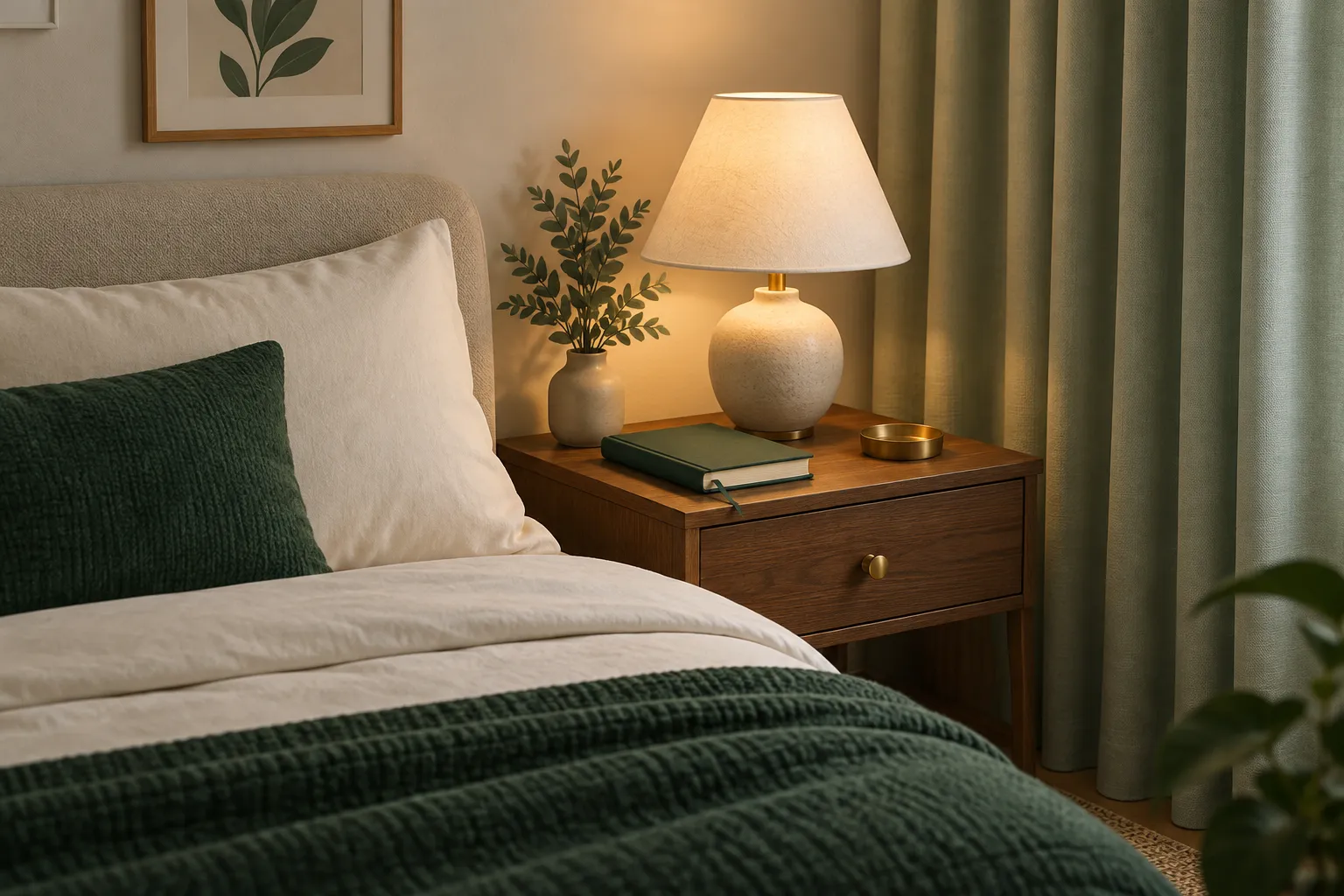
Illustration of a bedroom corner with curtains, a lamp and a closed notebook.
Sleep-environment context, not a product recommendation. Original AI-generated NST illustration, not a product photograph or a depiction of a specific model. Not to scale.

The evidence-led answer

The short answer

Sleep is the recovery input most people underuse. A 2022 pooled analysis of 69 studies found that acute sleep loss (6 hours or less in a 24 hour period) reduced exercise performance by about 7.5% on average, across every type of task measured. The hit was worst after full sleep deprivation or an early forced wake up, roughly 0.4% worse for every extra hour spent awake before the task, and tasks done in the evening were affected while morning tasks were largely spared. Habitually short sleep is also associated with more injuries and illness, an association, not proof that more sleep prevents them. The practical steps that help are unglamorous and low risk: keep your sleep and wake times consistent, wind down properly, keep the room dark and cool, and be careful with caffeine and late screens.

What short sleep does to training

The 2022 pooled analysis found a significant negative effect of sleep loss across all seven exercise categories it examined. Three points worth keeping in mind: when and how you lose the sleep matters (full deprivation and waking earlier than normal are more damaging than simply going to bed later with a normal wake time); time of day matters (evening performance took the hit, morning tasks were largely unaffected, so if you slept badly, train in the morning if you can); and it compounds, with a bigger drop the longer you have been awake.

Can more sleep help?

  • Sleep extension: a 2023 systematic review of 25 sleep intervention studies found that increasing sleep duration, by extending time in bed at night or by napping, was the most effective way to improve physical and cognitive performance. Sleep hygiene on its own, and removing evening devices, showed no measurable performance effect in the studies reviewed.
  • Napping: a review of 18 studies in physically active people found napping generally improved short term physical performance, endurance, reaction time and attention, with roughly a 90 minute opportunity best for physical performance, though the authors stress the evidence is limited and at risk of bias.

Sleep, recovery, and injury

Sleep supports recovery processes, soft tissue repair, hormonal regulation, immune function, but this article stays cautious about specific mechanisms and does not claim, for example, that growth hormone released during sleep builds your muscle. On injury: this is genuinely unsettled. A 2026 scoping review of 17 studies across 10 sports found a fairly consistent link between poor sleep and worse performance, but for injury specifically only 4 of 7 studies found an association, and the authors conclude there is no consensus. Treat protecting your sleep as a reasonable precaution, not a proven way to prevent injuries.

How much, roughly

An expert consensus panel recommends 7 to 9 hours a day for adults generally (7 to 8 hours for older adults), for healthy people with normal sleep, this is a general population figure, not an athlete only one. Active adults generally do better towards the higher end of that range, with real variation between people, and consistency of timing matters alongside duration.

Practical steps with some evidence

A caveat first: in the 2023 intervention review, sleep hygiene advice on its own did not reliably change performance, what worked was actually getting more sleep. So treat the list below as ways to protect and extend sleep duration, not as a checklist that substitutes for it.

  • Keep sleep and wake times about the same every day, weekends included.
  • Give yourself a genuine wind down: dim light, screens down, nothing activating in the last 30 to 60 minutes.
  • Keep the bedroom dark, quiet, and on the cool side.
  • Watch caffeine from the afternoon onward; alcohol fragments sleep even when it helps you fall asleep.
  • If you are short one night, a 20 to 90 minute nap the next day is a reasonable patch.

When it's more than sleep hygiene

This article is general information, not medical advice. See a GP if you have persistent trouble sleeping despite these steps, loud snoring with daytime sleepiness (a sign of possible sleep apnoea), or sleep problems alongside low mood or anxiety. This article does not cover melatonin or other sleep aids, those are a separate, regulated topic.

Practical meaning

If your training has stalled and your sleep is short or erratic, fix the sleep before you buy anything. Pick a consistent wake time and hold it. Build a real wind down. Make the room dark and cool. Move caffeine earlier. If a night goes badly, nap the next day rather than writing the week off. None of this costs money, and it is a better bet than most recovery gadgets.

Limitations and uncertainty

The headline performance drop is a pooled average across very different tasks, with very high heterogeneity and samples that were about 89% male. Much of the evidence is in athletes; transfer to a general adult reader, shift workers or parents of young children is uncertain. The sleep intervention evidence base is small and low quality by the authors' own assessment. The injury link is observational. Mechanistic claims about sleep and tissue repair are kept deliberately vague pending a cautious source.

No product needed

This page is here to answer the question, not force a product.

Some research pages are deliberately product-free because adding a retailer link would not help the reader make a better decision. When a product is genuinely relevant, it appears after the evidence and is clearly labelled.

Evidence behind this page

What the evidence says, and where it stops.

Acute sleep loss and physical performance

low confidence

A 2022 pooled analysis of 69 studies found acute sleep loss (6 hours or less in a 24 hour period) reduced exercise performance by about 7.5% on average, across every type of task measured. The effect was worst after full sleep deprivation or an early forced wake up, roughly 0.4% worse for every extra hour awake before the task, and evening tasks were affected while morning tasks were largely spared. Effects accumulate over successive short nights.

Study context and sources
Who it may apply to
Mostly athletes; samples were about 89% male. Transfer to a general adult reader, shift workers, or parents of young children is uncertain.
Limitations
Very high heterogeneity (I2 about 98%) and a strong sex skew. The headline figure is a pooled average across very different tasks, the true effect for one person and task is uncertain.

Sleep extension and napping

low confidence

A 2023 systematic review of 25 intervention studies found increasing sleep duration, by extending time in bed or by napping, was the most effective way to improve physical and cognitive performance, while sleep hygiene advice on its own and removing evening devices showed no measurable effect. A separate review of 18 studies found napping improved short term physical performance, endurance, reaction time and attention, with roughly a 90 minute opportunity best for physical performance.

Study context and sources
Who it may apply to
Athletes and physically active people, often habitually short on sleep. Nap effects depend on prior sleep debt and nap timing.
Limitations
Both evidence bases are small and low quality by the authors' own assessments.

Practical steps to protect and extend sleep

low confidence

Consistent sleep and wake times, a genuine wind down, a dark and cool bedroom, and limiting evening caffeine and alcohol have modest supporting evidence and low downside, and are best understood as ways to protect and extend sleep duration. Sleep hygiene advice on its own did not reliably change performance in the intervention evidence, what worked was more sleep. A 20 to 90 minute nap the next day partly offsets a short night.

Study context and sources
Who it may apply to
Athletes and active adults. The evidence for individual steps is modest and often indirect.
Limitations
The consensus source is narrative. Sleep hygiene interventions alone showed no performance effect in the 2023 review. A general adult sleep duration reference and a cautious mechanism source are still to be added (spec gaps G3, G5).

Sleep and sports injury risk

insufficient confidence

The link between sleep and sports injury is genuinely unsettled. A 2026 scoping review of 17 actigraphy studies across 10 sports found a fairly consistent association between poor sleep and worse athletic performance, but for injury specifically only 4 of 7 studies (57%) found a link, the authors conclude there is no consensus on sleep and injury risk in adult athletes. The article should present this as an open question, not a settled association.

Study context and sources
Who it may apply to
Athletes across 10 sports, sleep measured objectively by actigraphy. Findings on injury are inconsistent across studies.
Limitations
Scoping review, not a pooled analysis, it maps the literature rather than pooling effect sizes. The performance link is more consistent than the injury link; this article must not overstate the injury association.

How much sleep active adults need

moderate confidence

An 18 member multidisciplinary expert panel using a formal consensus method recommends 7 to 9 hours of sleep per day for young adults and adults, and 7 to 8 hours for older adults, for healthy individuals with normal sleep. This is a general population reference, not an athlete specific one, so it anchors the 'how much, roughly' section for any adult reader.

Study context and sources
Who it may apply to
General healthy adult population without a sleep disorder, across age bands. Individual need varies; the range is a guideline, not a hard threshold.
Limitations
Expert consensus (2015), not a pooled analysis of outcomes. Ranges are for people with normal, undisturbed sleep.

When sleep problems need a GP rather than sleep hygiene

moderate confidence

Chronic insomnia, meaning persistent difficulty falling or staying asleep together with daytime impairment, affects roughly one adult in ten, and a GP is the usual first point of contact. The recommended first line treatment is cognitive behavioural therapy for insomnia, not sleeping pills. Loud snoring with daytime sleepiness can indicate obstructive sleep apnoea and also warrants a GP visit. This is signposting; the article gives no treatment advice.

Study context and sources
Who it may apply to
General adult population in Europe, including the UK.
Limitations
Expert opinion rather than a systematic review. Used only for signposting. The article must not read as insomnia or sleep apnoea self treatment.

Related research, practical guidance, and comparisons to help with your next decision.

Research

Are ice baths worth it? Cold water immersion for recovery

Cold water immersion reduces soreness for a day or two and can feel calming. Used routinely after resistance training it modestly blunts strength and muscle gains; endurance training seems spared. Wellbeing claims are thin, and cold water carries real cardiac and drowning risk.

Last verified

Research

Are recovery boots worth it?

Mostly a comfort buy. When researchers pooled the studies, air compression boots gave only a small lift in muscle function and a small drop in how sore people felt, and in runners they did nothing for real muscle damage. Nice to use, but not a shortcut to recovering faster.

Last verified

Research

Do massage guns help after a workout?

Massage guns may feel useful after training, but the research does not support every recovery claim. Here is what the evidence can and cannot tell us.

Last verified