The evidence-led answer
NST verdict
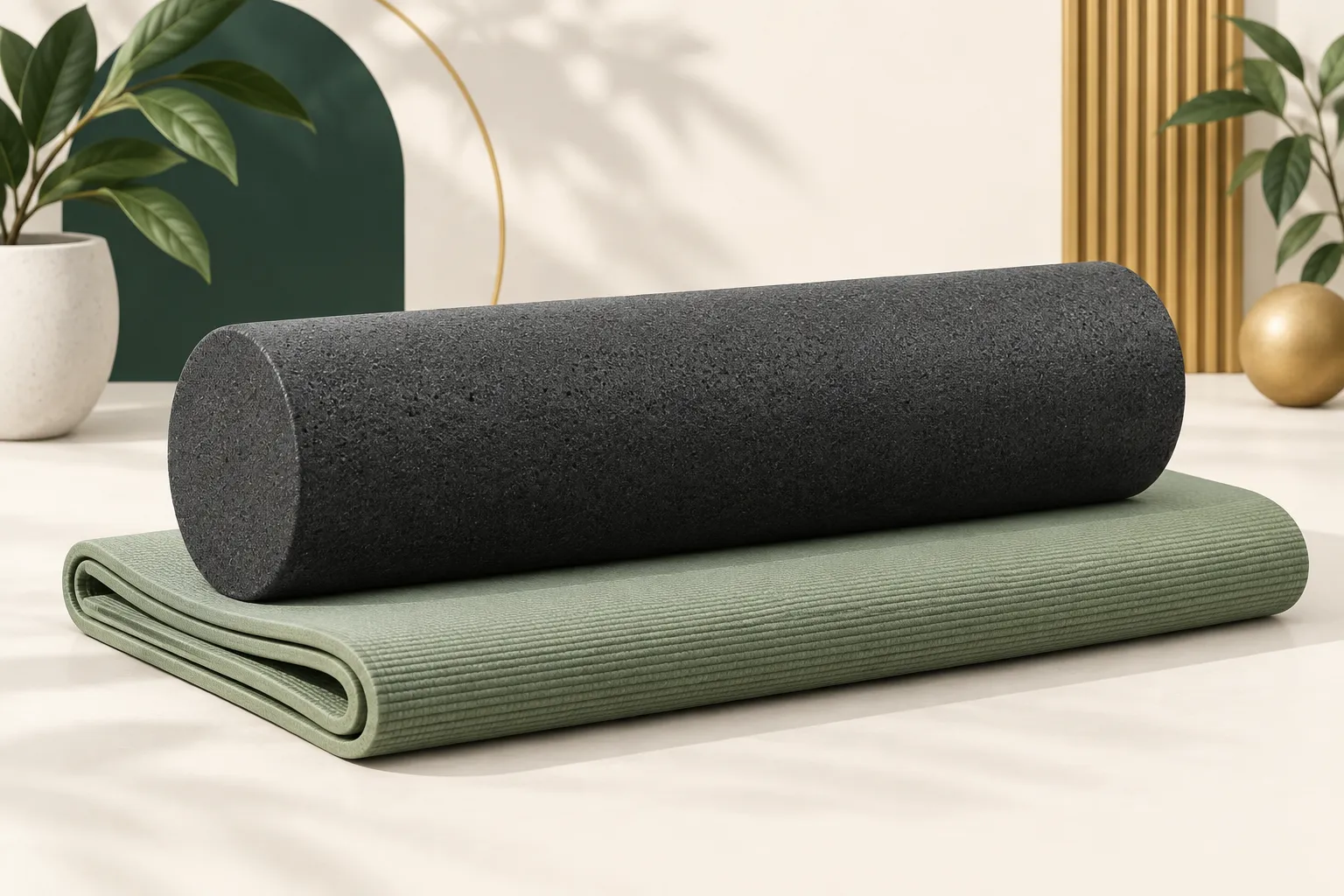
Worth it as a cheap warm up aid, less so as a recovery tool. A pooled analysis found rolling before training gives a small short term boost to flexibility and sprint performance, and rolling after training takes a small edge off muscle pain, so real but minor effects, and better justified for warming up than for recovery. Because a basic roller is cheap, lasts, and needs no upkeep, the bar to justify one is low: if a few minutes of rolling helps you feel looser and move better, buy a plain firm roller. Just do not expect it to release fascia or speed recovery, and do not pay extra for textured or vibrating versions.
The case for buying it
A firm foam roller is one of the cheapest, longest lasting bits of training kit you can own, with no batteries, no parts to break, and years of use. The evidence shows a small but real improvement in flexibility and sprint readiness when used before a session, and a small drop in how sore you feel after, so as a two to five minute warm up ritual it earns its tiny footprint. Many people also find it a pleasant, low effort way to spend a few minutes on stiff quads, calves or a mid back before training, and that can help them stay consistent.
The case against buying it
The effects are small and mostly last minutes, not days, and the popular claims, that rolling releases fascia, breaks up adhesions or meaningfully speeds recovery, are not supported, with umbrella reviews rating the recovery evidence as weak. A dynamic warm up of light movement gets a similar readiness effect with no equipment, and gentle movement plus time does the actual recovering. The upsells are worse value still: textured, vibrating and heated rollers cost several times as much as a plain one with no clear added benefit. If you already warm up by moving, a roller adds little.
Pros and cons
In favour
- Very cheap and hard to break, with no batteries, and lasts for years.
- A pooled analysis shows small real gains in flexibility and sprint readiness when used before training.
- Slightly reduces how sore you feel after exercise.
- A low effort warm up ritual that many people find pleasant, which can help adherence.
Against
- The effects are small and short lived, and it does not release fascia or speed recovery.
- A no equipment dynamic warm up gets a similar readiness effect.
- Umbrella reviews rate the recovery evidence as weak.
- Textured, vibrating and heated rollers cost far more with no clear added benefit.
What this means in practice
If you want a cheap way to feel looser before training and take a small edge off soreness, buy a plain firm foam roller and use it for a few minutes as part of your warm up. Do not pay for textured or vibrating versions, do not expect it to speed recovery, and if you already warm up with light movement, you are not missing much by skipping it.
Practical meaning
If you want a cheap way to feel looser before training and take a small edge off soreness, buy a plain firm foam roller and use it for a few minutes as part of your warm up. Do not pay for textured or vibrating versions, do not expect it to speed recovery, and if you already warm up with light movement, you are not missing much by skipping it.
Limitations and uncertainty
The foam rolling analysis pools studies with different rollers, protocols and outcomes, and its effects are small and mostly in the moment. The umbrella review rates rolling's recovery evidence as weak. Feels looser is a subjective outcome and not always lasting. The cost and benefit judgement is editorial. No price, ranking or product test is implied.
No product needed
This page is here to answer the question, not force a product.
Some research pages are deliberately product-free because adding a retailer link would not help the reader make a better decision. When a product is genuinely relevant, it appears after the evidence and is clearly labelled.