Getting filters ready. The topic and page links below still work.
Search titles and summaries, or choose a topic. Counts reflect the applied search. Choosing Apply filters puts your search in the page address, browser history and website request. Avoid personal or health information.
Showing 1 to 6 of 6 articles · Most recently verified first
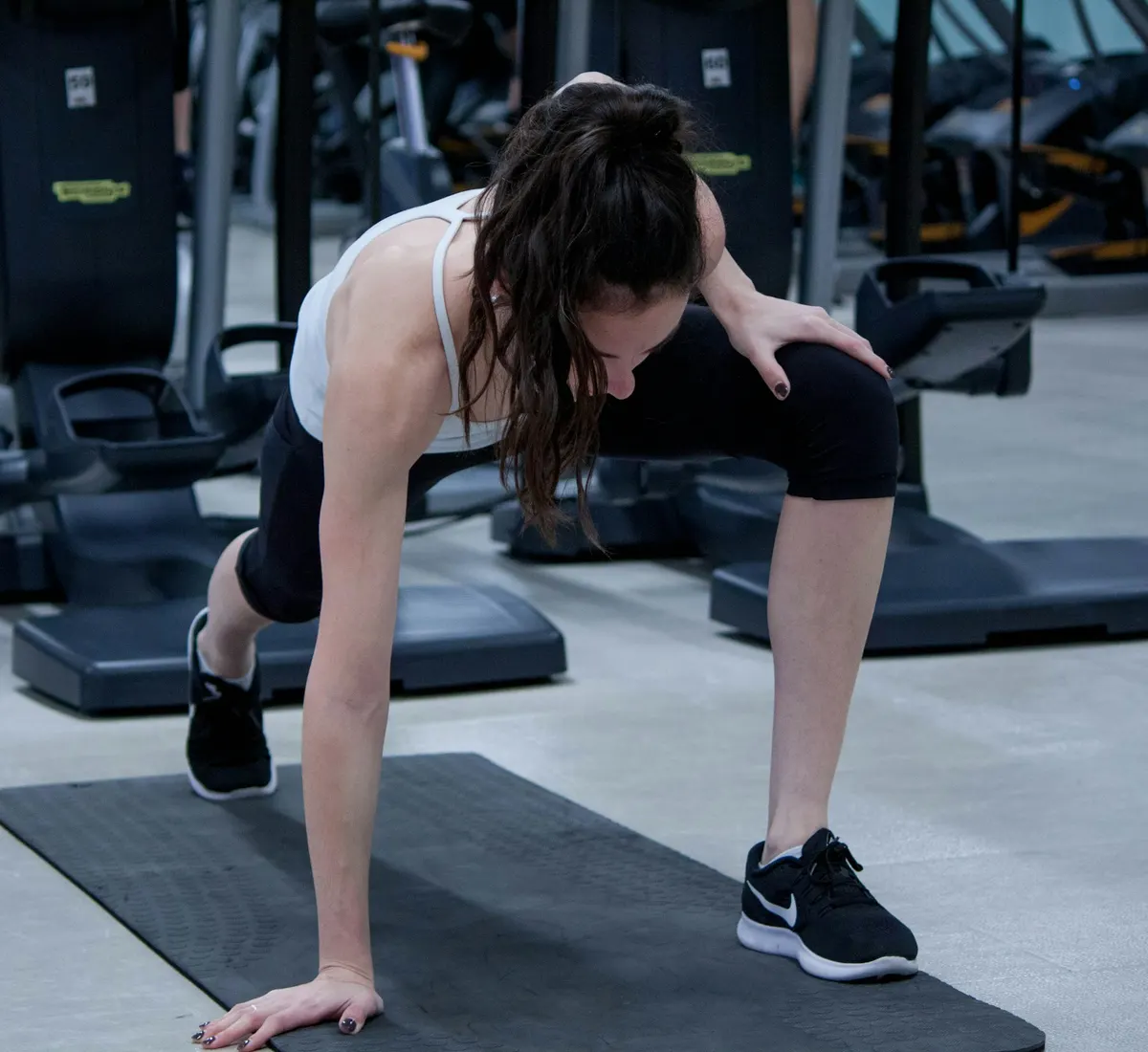
Static stretching can improve range of motion, but it is not the whole warm-up. Long holds can briefly reduce isolated maximal force; updated evidence does not support a blanket ban on stretching before sport.
Yes, as a cheap warm up aid, less so for recovery. A pooled analysis found rolling gives a small short term boost to flexibility and sprint readiness before training, and a small drop in muscle pain after, so real but minor effects. It is cheap and lasts, so the bar to justify one is low.
A short warm up is worth it: it reliably improves performance, and the evidence, though not conclusive, favours a lower injury risk. Raise your temperature with easy movement, then prepare properly, warm up sets for lifting, dynamic movement for running. About 5 to 15 minutes.
No, the 'muscle bound' idea is a myth. Full range strength training with real load improves flexibility about as much as stretching does; a 55 study review found no difference. Two conditions attach: train through a full range, and use external load, not just bodyweight.
No. A Cochrane review found stretching before, after, or both changes muscle soreness by about half a point on a 100 point scale, too small to feel, and a separate pooled analysis found a cool down stretch did not speed recovery. Gentle movement, massage or cold water help a little more.
Across the trials, a full range of motion tends to build more lower body muscle and strength than partial reps, and the stretched part of the movement seems to be what matters. 'Lengthened partials' are promising but oversold. A shorter range is a tool for specific cases, not a default.