Getting filters ready. The topic and page links below still work.
Search titles and summaries, or choose a topic. Counts reflect the applied search. Choosing Apply filters puts your search in the page address, browser history and website request. Avoid personal or health information.
Showing 1 to 12 of 91 articles · Most recently verified first
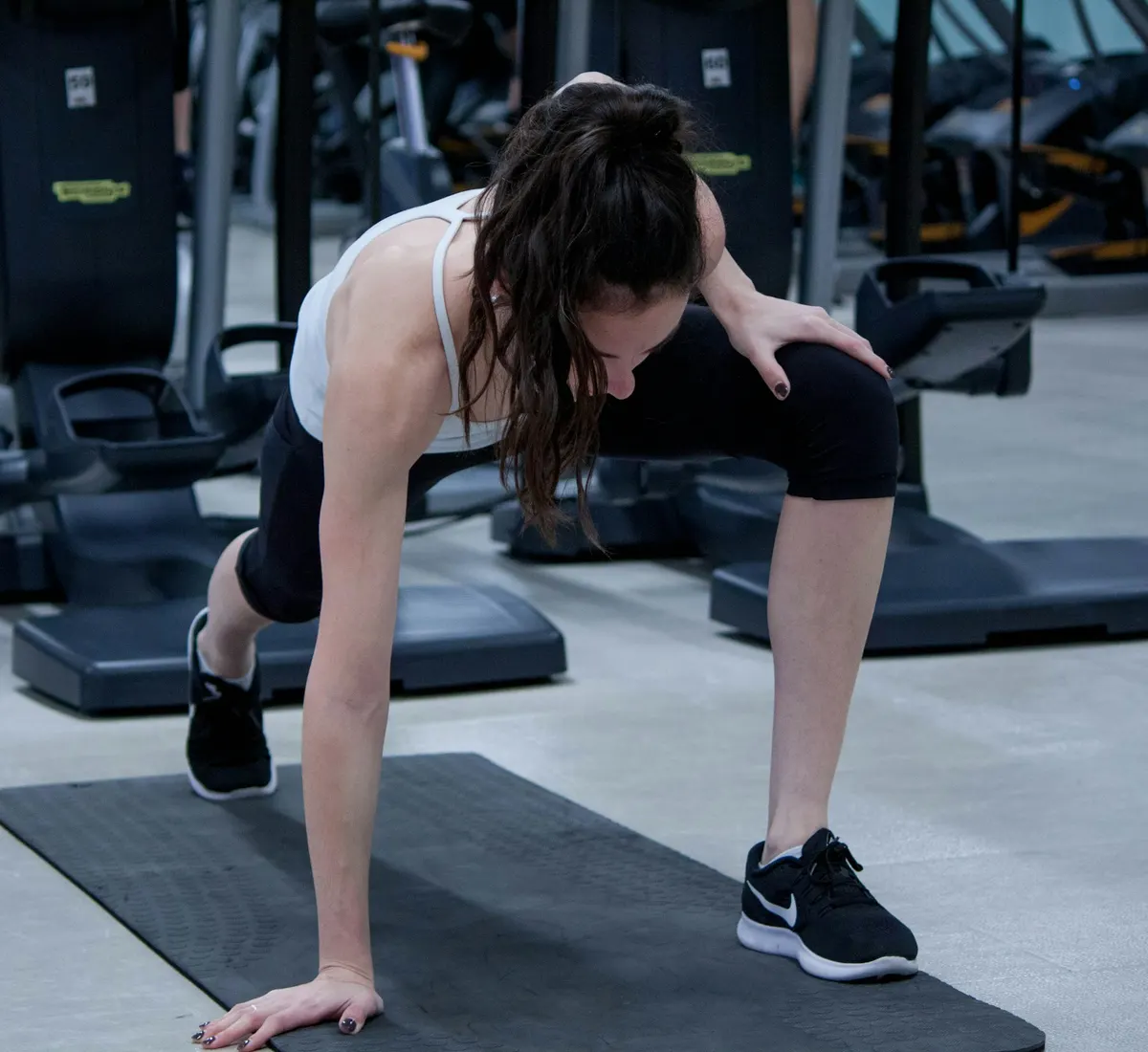
Static stretching can improve range of motion, but it is not the whole warm-up. Long holds can briefly reduce isolated maximal force; updated evidence does not support a blanket ban on stretching before sport.
Rest until the next set is genuinely hard again: about 2 to 3 minutes on big compound lifts, longer if you are chasing a one rep max, and 1 to 2 minutes on isolation work. Longer rest builds more strength and lets you do more total work. Short rest is not a fat loss or toning tool.
Yes, as a cheap warm up aid, less so for recovery. A pooled analysis found rolling gives a small short term boost to flexibility and sprint readiness before training, and a small drop in muscle pain after, so real but minor effects. It is cheap and lasts, so the bar to justify one is low.
You do not need to race for a shake after every workout. Research does not establish a universal thirty minute deadline. Daily protein intake is a useful first priority; recent meals and recovery time still matter. Powder is optional.
Barefoot shoes are an option, not an essential upgrade. Some running studies found benefits, but they do not establish a safer stride or a transition timetable that works for everyone.
For most healthy people, no. Up to about one egg a day is not linked to higher heart disease or stroke risk in large studies. Eggs nudge blood LDL up a little, but the net effect is small. The bigger issue is what you eat with them, a fry up is not 'an egg'.
Cold water immersion reduces soreness for a day or two and can feel calming. Used routinely after resistance training it modestly blunts strength and muscle gains; endurance training seems spared. Wellbeing claims are thin, and cold water carries real cardiac and drowning risk.
Mostly a comfort buy. When researchers pooled the studies, air compression boots gave only a small lift in muscle function and a small drop in how sore people felt, and in runners they did nothing for real muscle damage. Nice to use, but not a shortcut to recovering faster.
Yes, gaining muscle while losing fat is real and documented. It works best for people newer to training or carrying more fat who eat plenty of protein, train hard, and keep any calorie deficit modest. For lean, experienced lifters it is slow, and focused gain then lose phases can be more efficient.
Yes, meaningfully. Muscle growth tracks how close to failure you train and how you progress, not the type of resistance. Head to head, progressive push ups matched bench press for strength and chest thickness. The catch: legs and back are hard to keep overloading without a bar or added load.
For weight, mostly no. Exercise alone shifts about 2 kg on average, less for many; the body partly compensates and total energy burn plateaus, and a session's calories are eaten back fast. Diet sets the deficit. Exercise still matters for keeping weight off and for health regardless of the scale.
No. Two direct randomised trials, one training a single arm, one doing daily ab exercises on a steady diet, both show training a region causes generalised fat loss, not local. Where you lean out first is genetics and sex; visible abs come from lower overall body fat, not crunches.